

VOCs Fugitive Emission Control Is Evolving: Why In-House Monitoring Matters for LDAR Compliance
Release time: 2026-10-28
Table of Contents
Summary: VOCs management is moving beyond periodic third-party inspections toward more frequent monitoring, better data verification, and stronger accountability. For industrial facilities, portable FID analyzers can support routine leak screening, LDAR data checks, and more proactive emission control.
Volatile organic compound (VOC) management has traditionally focused heavily on emissions from organized sources, such as industrial exhaust stacks. Increasing attention is now being paid to fugitive emissions, which can escape through equipment seals, storage tanks, wastewater treatment systems, and other sources across an industrial site.
For many facilities, Leak Detection and Repair (LDAR) programs have relied on periodic inspections conducted by external service providers. Although third-party inspections remain an important part of environmental management, infrequent testing alone may not provide sufficient visibility into leaks that develop between inspection cycles.
As environmental regulations evolve and VOC-related environmental protection tax requirements approach implementation in China, companies have stronger reasons to improve their internal monitoring capabilities, verify inspection results, and maintain reliable records. Portable monitoring instruments can play a practical role in this transition.
1. The Limitations of Periodic Third-Party LDAR Inspections
In conventional LDAR programs, an industrial facility may arrange for a third-party team to inspect equipment, record detected leaks, and prepare an inspection report at scheduled intervals. The facility then uses the report to support its environmental management records and corrective actions.
This approach can help establish a baseline of equipment leakage. However, it has a significant limitation: a measurement represents the conditions observed at the time of inspection.
Valves, flanges, pump seals, and other components may begin leaking after an inspection has been completed. Operating conditions, equipment wear, maintenance activities, and process changes can all affect leakage behavior. A quarterly inspection, for example, cannot independently establish that every monitored component remained leak-free throughout the entire quarter.
If a company has no routine inspection process between external audits, intermittent leaks may remain undetected for an extended period. Delayed repairs can increase VOC emissions, complicate environmental management, and create additional compliance risks.
Third-party LDAR services therefore work best as part of a broader management system. Internal inspections, timely repairs, consistent recordkeeping, and verification of external inspection data can help facilities maintain better oversight between scheduled service visits.
2. How China’s Environmental Regulatory Changes Affect VOCs Management
China’s environmental regulatory framework is placing greater emphasis on standardized monitoring, data quality, and accountability.
The Ecological and Environmental Code took effect on August 15, 2026. The Regulation on Ecological Environment Monitoring also establishes requirements for monitoring activities, equipment management, and the quality of environmental monitoring data. Enterprises subject to applicable self-monitoring obligations must follow relevant technical standards and maintain appropriate monitoring records.
For companies managing fugitive VOC emissions, three developments deserve particular attention.
Stronger accountability for monitoring data
Environmental compliance depends not only on whether an inspection has been conducted, but also on whether the underlying data accurately represents actual conditions.
Under China’s Regulation on Ecological Environment Monitoring, enterprises and their responsible persons are accountable for the authenticity and accuracy of monitoring data. The regulation also addresses data falsification and requires original self-monitoring records to be retained for the applicable period.
Outsourcing monitoring activities does not eliminate the need for enterprises to manage their own environmental responsibilities. Companies should understand the scope of contracted services, review inspection results, maintain supporting documentation, and ensure that corrective actions are properly recorded.
Changes to VOC-related environmental protection tax requirements
China’s VOC environmental protection tax pilot measures are scheduled to take effect on January 1, 2027. The measures introduce a tax framework for VOC emissions and provide for information sharing between environmental authorities and tax authorities.
The applicable tax treatment and calculation method depend on the governing rules and the circumstances of the emissions source. Companies should therefore review the relevant provisions rather than assume that every fugitive leak is taxed in the same way.
For environmental managers, the practical implication is clear: reliable emission-source information, consistent monitoring records, and accurate calculations will become increasingly important to environmental and tax management.
Reviewing third-party service quality
External service providers remain valuable partners in LDAR implementation. However, companies should not treat a report as a substitute for technical oversight.
Before commissioning a service, buyers should confirm the provider’s qualifications, technical capability, applicable accreditation requirements, measurement procedures, and ability to maintain traceable records. Requirements may differ depending on the nature of the work and whether the service constitutes regulated inspection or testing.
Internal verification can provide an additional layer of quality control, helping companies identify inconsistencies and investigate results that do not match observed equipment conditions.
3. Why Routine Monitoring Is Important for Fugitive Emissions
Fugitive emissions are more difficult to manage than emissions from a single, fixed exhaust point. Industrial facilities may contain thousands of potential leak locations distributed across production lines, pipe racks, storage areas, pumps, valves, and flanges.
Some leaks are difficult to identify visually. Others may change with equipment operation or appear between scheduled inspections. A reliable monitoring program must therefore account for both the number of potential sources and the conditions under which measurements are taken.
A practical program can combine several activities:
- Routine internal inspections: Check designated equipment and investigate suspected leaks between formal LDAR surveys.
- Periodic LDAR surveys: Conduct inspections according to applicable standards, regulatory obligations, and the facility’s monitoring plan.
- Independent data verification: Compare internal findings with third-party records and investigate material discrepancies.
- Prompt corrective action: Document confirmed leaks, assign repair responsibilities, and verify the results of repairs.
- Traceable recordkeeping: Retain measurement results, equipment identifiers, operating conditions, calibration information, and repair records as applicable.
Monitoring frequency should be determined by regulatory requirements, process conditions, equipment risk, and the facility’s environmental management procedures. More frequent testing is not a replacement for a compliant monitoring plan, but it can help identify developing problems sooner.
4. Choosing a Portable FID Analyzer for LDAR Applications
Portable flame ionization detector (FID) analyzers are widely used for hydrocarbon measurements in environmental monitoring and LDAR-related applications. They can help technicians quantify hydrocarbon concentrations near potential leak points and support consistent inspection records.
When evaluating a portable instrument, environmental managers should look beyond portability alone.
| Evaluation factor | Why it matters |
|---|---|
| Measurement performance | Appropriate accuracy, repeatability, and measurement range support dependable field results. |
| Applicable standards | The instrument and measurement procedure should meet the requirements for the intended application. |
| Portability and battery life | A manageable weight and sufficient operating time can improve field inspection efficiency. |
| Site safety | Instrument certification and operating conditions must be suitable for the intended hazardous area. |
| Calibration and maintenance | Routine checks and proper maintenance help preserve measurement reliability. |
| Data recording | Traceable results make it easier to review inspection findings and compare measurements over time. |
| Ease of operation | Straightforward controls can help technicians perform routine inspections consistently. |
China’s HJ 1012-2018 standard specifies technical requirements and test procedures for portable instruments used to monitor total hydrocarbons, methane, and non-methane hydrocarbons in ambient air and stationary-source emissions. Whether a particular instrument is suitable for a specific LDAR procedure depends on its technical specifications, the applicable measurement method, and the regulatory requirements governing that application.
PID instruments and FID analyzers also have different operating principles and application characteristics. Instrument selection should be based on the target compounds, required measurement method, applicable standards, and intended use rather than a blanket assumption that one technology is suitable for every monitoring task.
5. How the AoMa M2 Portable FID Analyzer Supports In-House Monitoring
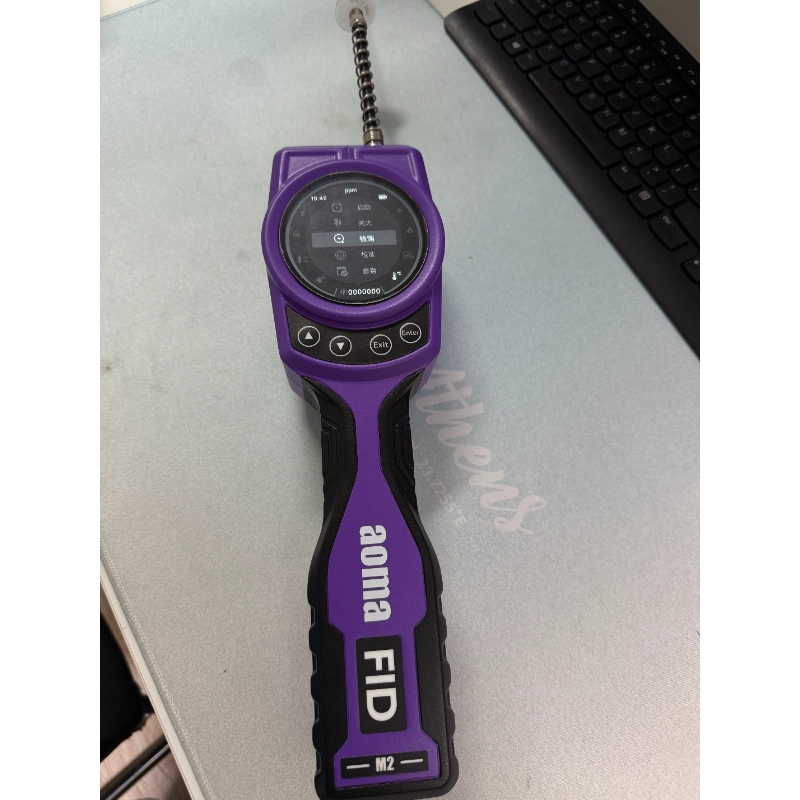
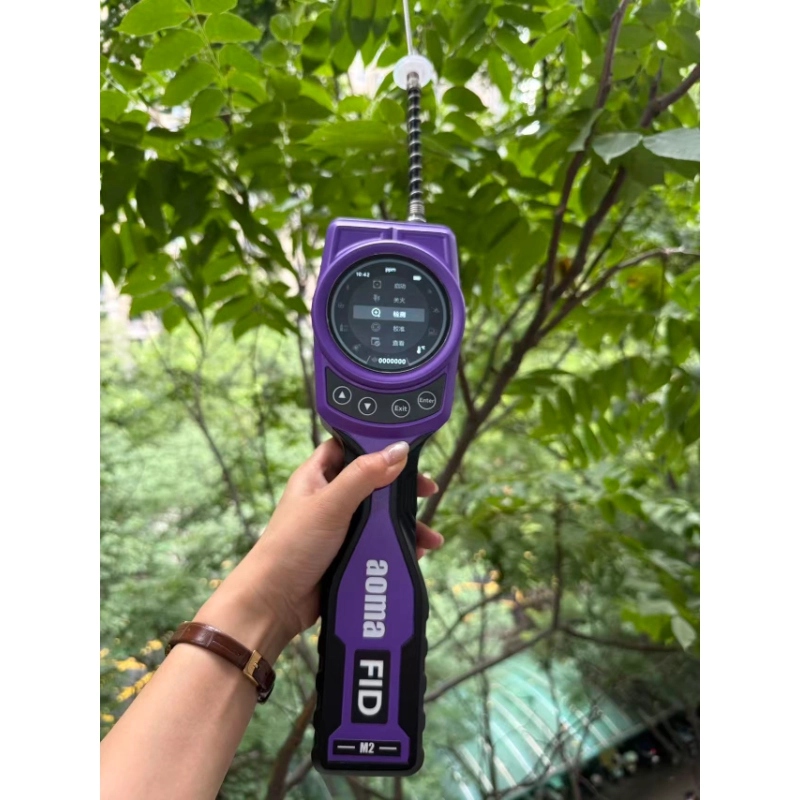
For facilities seeking to strengthen internal inspection capabilities, the AoMa M2 Portable Total Hydrocarbon Analyzer is designed for portable hydrocarbon measurement in industrial environments.
A portable instrument can help environmental and safety personnel conduct routine inspections, investigate suspected leaks, and collect additional measurements when reviewing third-party LDAR results. Its practical value depends on the instrument configuration, applicable measurement procedure, site conditions, and the training of the people using it.
Routine inspections between formal LDAR surveys
Internal teams can incorporate portable measurements into their scheduled inspection routes. Depending on the facility’s monitoring plan, checks may focus on selected valves, flanges, pump seals, and other components with a history of leakage or elevated risk.
Regular inspection records can help teams identify recurring problems and prioritize maintenance. They also provide a more continuous view of equipment conditions than periodic reports alone.
Verification of third-party inspection findings
After receiving an external LDAR report, a facility can review the reported components and compare them with its own inspection records. Where discrepancies arise, appropriately conducted follow-up measurements can help determine whether additional investigation is necessary.
Internal measurements should be performed using suitable procedures and equipment. They complement quality assurance and review processes but do not automatically replace any legally required third-party inspection, accredited testing, or official reporting.
Better documentation and corrective-action tracking
A consistent internal monitoring process should link measurement results to identifiable equipment and follow-up actions. Records can include the inspection date, component location, operating conditions, measurement results, instrument status, and repair verification, as applicable.
This information can help environmental teams evaluate recurring leaks, coordinate maintenance, and prepare for internal reviews or regulatory inspections.
Safety in industrial environments
Chemical plants, petrochemical facilities, and other industrial sites may contain flammable atmospheres or other operational hazards. Before using a portable analyzer, personnel should confirm that its safety certification is appropriate for the intended area and follow site-specific procedures for instrument operation, calibration, and maintenance.
Instrument suitability should always be established against the actual site classification and operating conditions.
6. Building a More Effective LDAR Management System
A stronger LDAR program does not require companies to abandon external service providers. Instead, it combines qualified external expertise with appropriate internal monitoring and management controls.
A practical framework includes the following elements:
- Establish an internal inspection plan. Identify relevant equipment, assign inspection responsibilities, and set frequencies according to applicable requirements and risk.
- Use suitable monitoring instruments. Confirm measurement performance, standard applicability, safety certification, and maintenance requirements before deployment.
- Review third-party reports. Check equipment identifiers, inspection coverage, reported findings, and supporting records.
- Manage repairs systematically. Record confirmed leaks, corrective actions, and follow-up verification.
- Maintain traceable data. Keep original records and supporting documentation in accordance with applicable retention requirements.
- Review the program regularly. Use inspection findings and recurring leakage patterns to improve maintenance priorities and monitoring procedures.
The appropriate balance between internal inspections and external services will vary by facility. Annual third-party surveys, for example, should not be assumed sufficient or universally required without checking the applicable rules, permit conditions, and monitoring obligations.
結論
Fugitive VOC emission control is becoming an increasingly important part of industrial environmental management in China. As monitoring requirements, data accountability, and VOC-related environmental protection tax measures evolve, companies need dependable procedures for identifying leaks, reviewing inspection findings, and maintaining accurate records.
Portable FID analyzers can support this effort by helping qualified personnel conduct routine inspections and verify selected third-party findings. When integrated into a well-designed LDAR program, suitable monitoring equipment can improve visibility into equipment leakage and support more timely corrective action.
The AoMa M2 Portable Total Hydrocarbon Analyzer is one option for facilities evaluating portable monitoring equipment for internal inspection and data verification. Selecting the right instrument, applying the correct measurement method, and maintaining a traceable inspection process are essential to building a reliable approach to VOC emissions management.
Frequently Asked Questions
Why is routine monitoring important for fugitive VOC emissions?
Fugitive leaks can develop between scheduled inspections and may not be visible to the naked eye. Routine monitoring can help facilities identify potential problems earlier, arrange repairs, and maintain more complete inspection records.
Can in-house monitoring replace third-party LDAR services?
Not automatically. Internal monitoring can support day-to-day management and data verification, but companies must still comply with the inspection, testing, reporting, and accreditation requirements applicable to their operations.
What is an FID analyzer used for in LDAR?
A flame ionization detector analyzer measures hydrocarbons using an ionization-based detection principle. Portable FID instruments can support leak surveys and hydrocarbon measurements when the instrument and method are suitable for the target application and applicable standards.
What should companies consider when selecting a portable total hydrocarbon analyzer?
Key considerations include measurement performance, applicable standards, measurement range, portability, battery life, safety certification, calibration requirements, maintenance, and data traceability.
How can portable monitoring support VOC compliance management?
Portable monitoring can provide additional field measurements, help verify selected inspection findings, and support corrective-action tracking. Its results should be interpreted within a documented monitoring program and should not be treated as an automatic substitute for legally required procedures.