



-
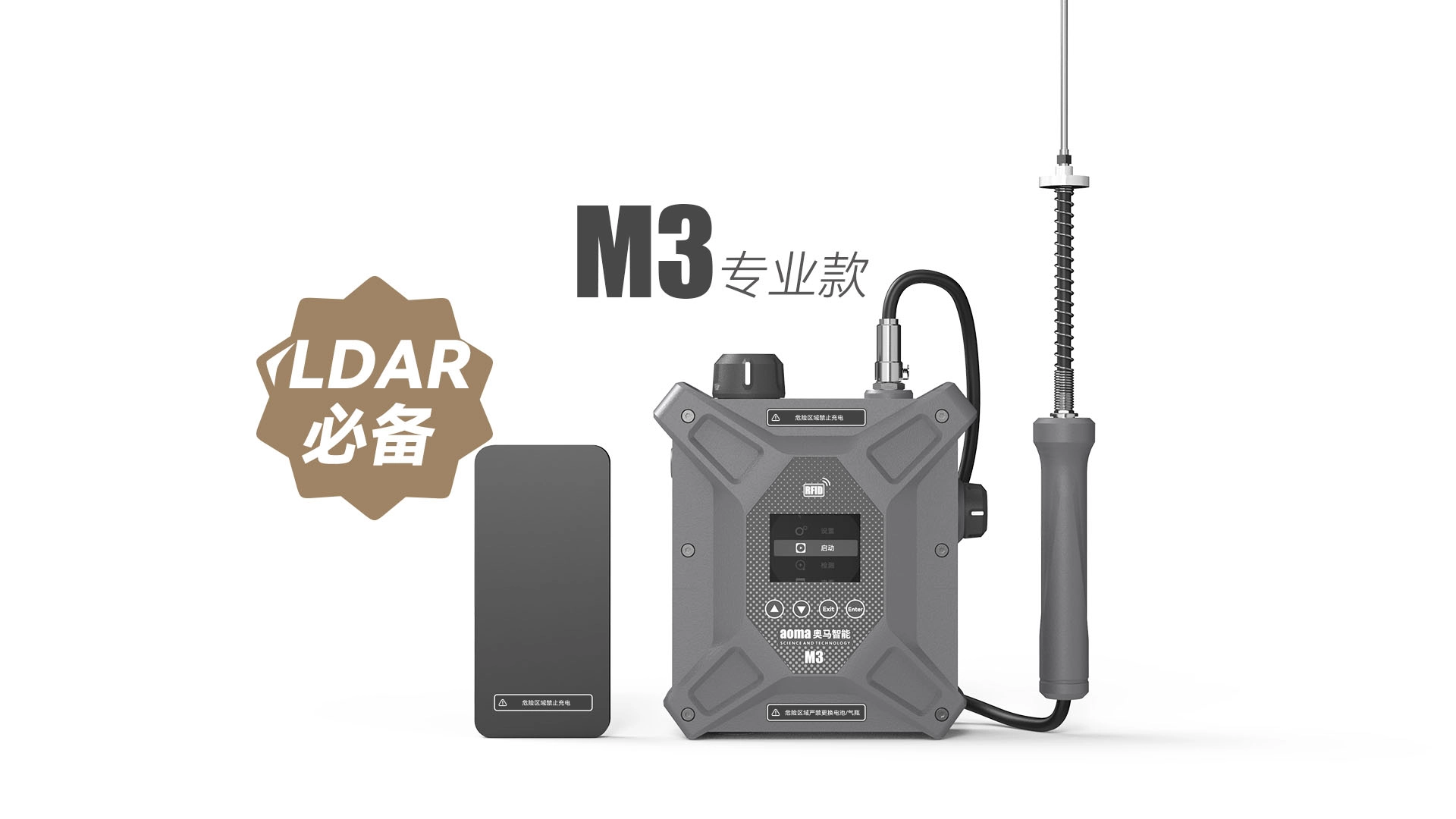
LDAR Detection and Repair
LDAR (Leak Detection and Repair) is a systematic management procedure aimed at controlling **fugitive emissions of Volatile Organic Compounds (VOCs) and hazardous air pollutants** in industrial production. Its core involves **regularly using professional instruments (such as FID/PID detectors)** to conduct **quantitative or qualitative inspections** of sealing points in equipment and pipelines (such as valves, flanges, pumps, etc.) to **precisely locate leakage sources**. Any identified leaks must be promptly **labeled, recorded, and repaired**, followed by **re-testing** to ensure compliance. Finally, a **digital record system** is established to enable traceability throughout the entire management process. This technology is a critical measure for controlling VOC emissions, ensuring production safety, and meeting environmental regulatory requirements.
-
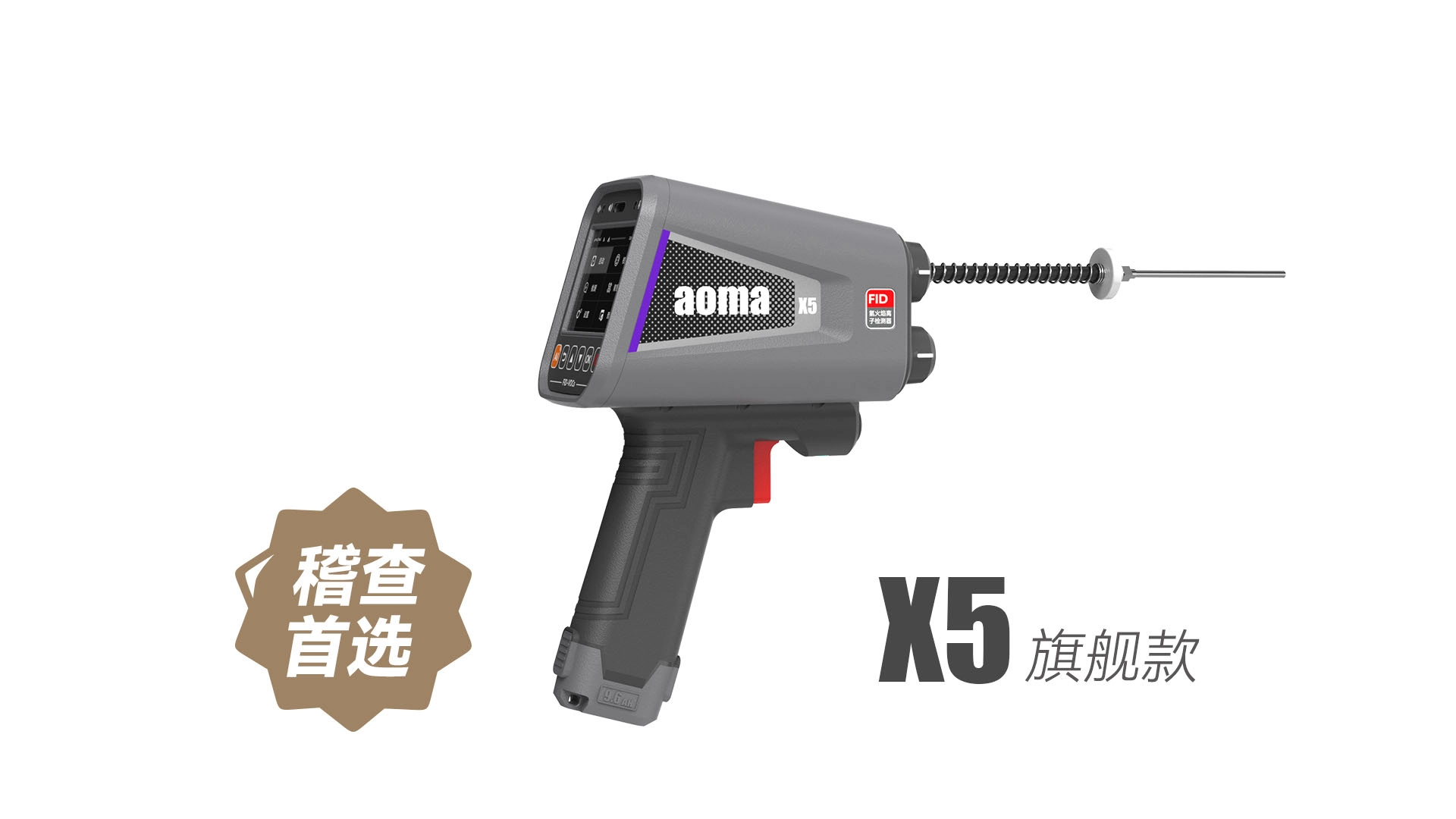
Atmospheric Environmental Monitoring
The primary content of atmospheric environmental monitoring and inspection includes the systematic monitoring and evaluation of atmospheric environmental quality and pollutant source emissions, to ensure compliance of ambient air quality with national standards, control pollutant emissions, and protect public health.
-
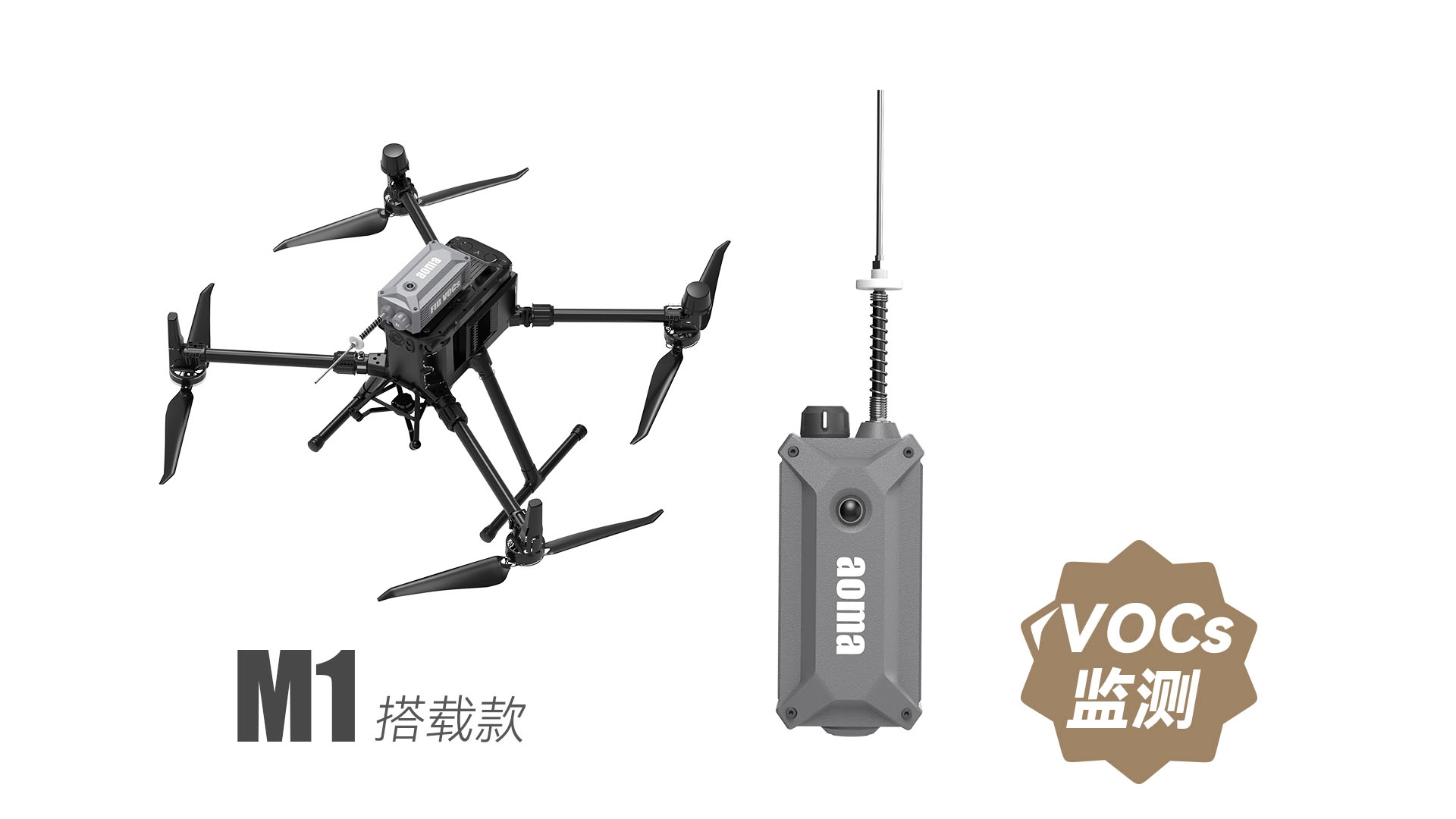
Aerial Environmental Data Acquisition
Remote VOCs inspection and airborne environmental data collection primarily utilize drones equipped with the Aoma M2 model to conduct data acquisition in aerial or otherwise inaccessible areas.
-
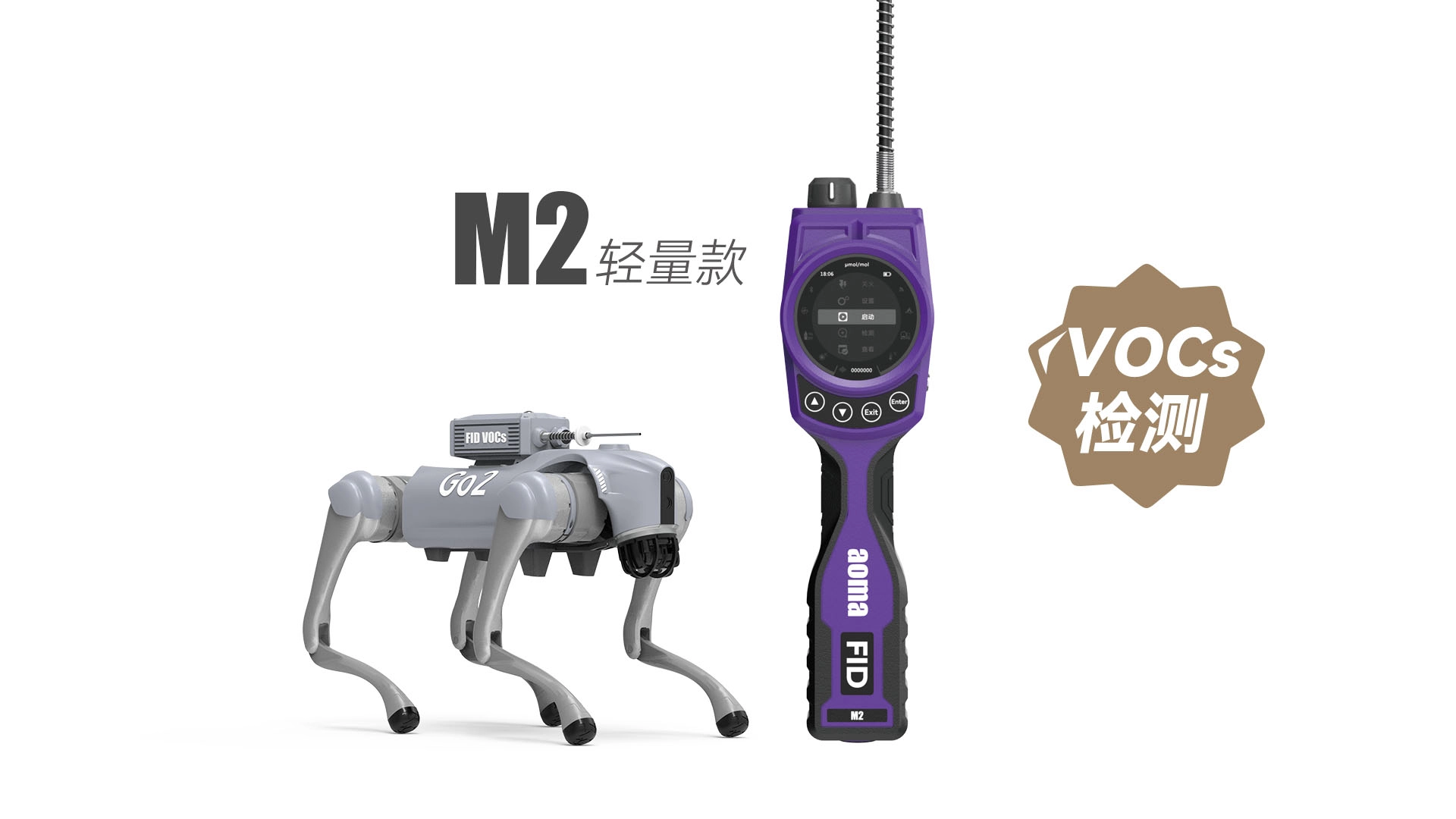
Environmental and Production Safety Poutine Inspection
Robotic dogs can be utilized in conjunction with the M2 or its equipped models to conduct routine environmental and production safety inspections, thereby reducing manpower requirements while enhancing safety and operational efficiency.

Expand